


.webp)


Why Your Heating System Matters in Hilton Head Island
Heating replacement in hilton head island sc is a critical investment for homeowners who want reliable comfort during the cooler months and year-round energy efficiency. While Hilton Head enjoys mild winters, temperatures can still drop into the 40s and 50s, making a dependable heating system essential. More importantly, the coastal environment—with its salt air and high humidity—can accelerate wear on HVAC equipment, leading to corrosion, rust, and reduced system lifespan. If your heater is over 15 years old, causing uneven temperatures, or driving up your energy bills, it may be time to consider a replacement.
Quick answer for homeowners searching for heating replacement:
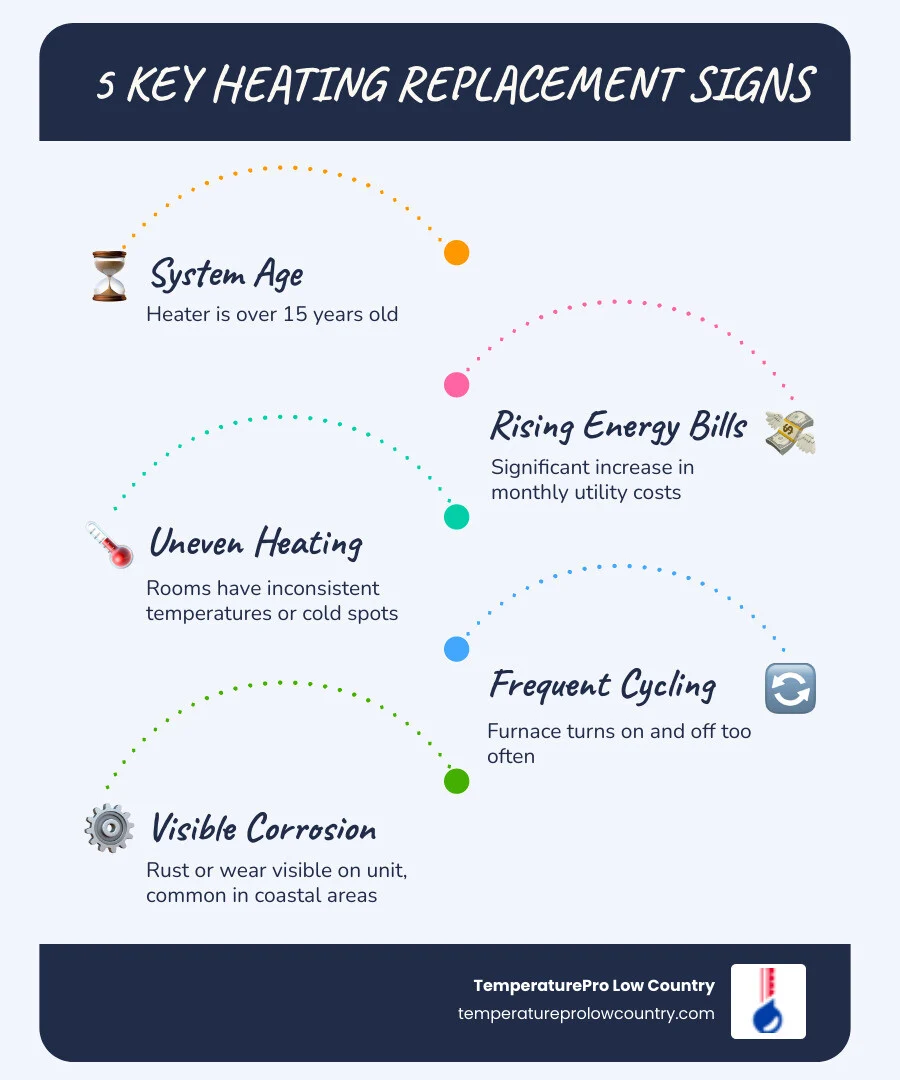
- Signs you need replacement: System age over 15 years, frequent repairs, rising energy bills, uneven heating, strange noises, or visible corrosion
- Best systems for Hilton Head: Heat pumps (efficient heating and cooling), high-efficiency furnaces, or ductless mini-splits
- What to look for in a contractor: South Carolina mechanical contractor license, EPA Section 608 Certification, NATE-certified technicians, and a 100% satisfaction guarantee
- Timeline: Most heating replacements take 1-3 days depending on system complexity
- Climate considerations: Choose corrosion-resistant systems designed for coastal environments with salt air and humidity
For comprehensive heating services in the Lowcountry, explore our heating solutions for the region, or if you're ready to discuss your specific needs, contact our Hilton Head heating experts today.
According to local HVAC professionals, coastal weather—including salt air and high humidity—can cause corrosion and rust in heating systems, making regular maintenance and timely replacement even more important for Hilton Head homeowners. Research shows that HVAC systems over 15 years old are strong candidates for replacement, especially when repair costs approach 50% of a new system's cost.
When to Consider a Heating System Replacement
Even with Hilton Head's mild winters, a functioning heating system is crucial for comfort and health. When temperatures dip into the 40s and 50s—which happens more often than visitors might think—you want a heater that responds reliably without hesitation. Ignoring early warning signs can lead to inconvenient breakdowns when you need heat the most, higher energy bills that drain your wallet, and even safety concerns for your family.
We believe in helping homeowners make proactive, informed decisions rather than waiting for an emergency. That's why we encourage you to recognize the signs that your system is struggling before it leaves you in the cold.
Key Signs You Need a Heating Replacement in Hilton Head Island SC
Knowing when to replace your heating system versus continuing to repair it can save you significant money and stress in the long run. Think of it like an aging car—at some point, you're spending more on repairs than the vehicle is worth. Here are the key indicators we advise our Hilton Head Island homeowners to watch for:
System lifespan matters more than most people realize. The typical lifespan for most heating systems, such as furnaces or heat pumps, is around 10 to 15 years. If your system is approaching or has exceeded this age, it's a strong indicator that a replacement might be more cost-effective than continuous repairs. An HVAC system over 15 years old often struggles to maintain efficiency and can become a financial drain, especially when combined with other warning signs.
Increased utility costs are one of the most common red flags. Have you noticed your energy bills creeping up without a corresponding increase in usage? This happens because as components wear out, your heater has to work harder to produce the same amount of heat, consuming more energy in the process. According to the Department of Energy, more than half of your energy bill—about 55%—goes toward heating and cooling, so an inefficient system can significantly impact your monthly expenses.
Inconsistent temperatures throughout your home are another telltale sign. If certain rooms are always colder than others, or if you experience significant temperature fluctuations from room to room, your heating system may no longer be distributing heat effectively. This could be due to issues within the unit itself or problems with your ductwork, indicating a need for a professional assessment.
Frequent cycling—when your heater turns on and off more frequently than it used to—is a sign that your system is struggling to maintain the desired temperature. This "short cycling" leads to increased wear and tear, higher energy consumption, and reduced comfort. It's like a runner who keeps stopping and starting instead of maintaining a steady pace—exhausting and inefficient.
Strange noises or odors shouldn't be ignored. While some operational sounds are normal, grinding, banging, clanking, whistling, or screeching noises are red flags. Similarly, burning smells or a persistent dusty odor can indicate mechanical problems or dirty components that need immediate attention.
Poor indoor air quality can also stem from a malfunctioning heating system. If you notice excessive dust, dry air, or a general decline in air freshness, your heating system might be circulating allergens or failing to adequately filter the air your family breathes.
Visible rust or corrosion is especially concerning in a coastal environment like Hilton Head Island. If you spot rust on your outdoor HVAC unit, it's a serious issue that can compromise the integrity of the system and lead to costly repairs—or complete failure—if not addressed promptly.
How Hilton Head's Coastal Climate Affects Your Heater
Living in Hilton Head Island offers beautiful scenery, stunning sunsets, and a pleasant lifestyle that many people dream about. But it also presents unique challenges for your home's heating system that inland homeowners never have to consider. The coastal climate, characterized by salt air and high humidity, has a significant and measurable impact on the performance and longevity of HVAC equipment.
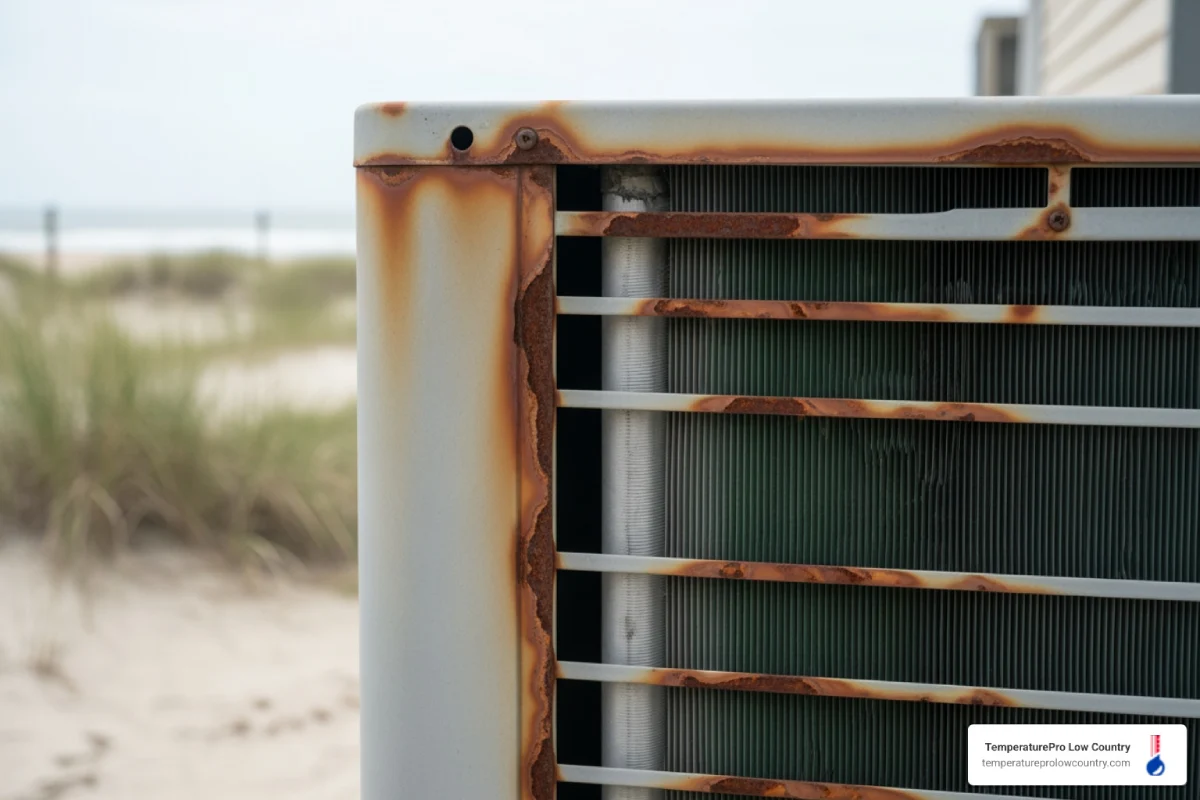
Salt air is the invisible enemy of metal HVAC components. The salty air prevalent near the ocean is highly corrosive, and over time it can degrade metal components within your heating system. This leads to rust and corrosion on coils, cabinets, and electrical connections—sometimes faster than you'd expect. This corrosion doesn't just look bad; it significantly reduces the system's efficiency and shortens its lifespan.
High humidity adds another layer of challenge. While heating operation might not seem directly affected by humidity, the overall health of the unit—including its ability to handle moisture—impacts its longevity. Excess moisture can also contribute to mold growth within ductwork, which affects indoor air quality and can trigger allergies or respiratory issues for your family.
The combination of these factors means that heating systems in coastal areas may not last as long as those in drier, inland regions. While a typical system might last 15 years or more elsewhere, your Hilton Head system might show signs of wear and tear sooner, sometimes by several years. This isn't a defect—it's simply the reality of living near the ocean.
That's why when considering heating replacement in hilton head island sc, we highly recommend choosing systems designed with corrosion-resistant materials. These units are specifically engineered to withstand the harsh coastal environment, offering better durability and a longer operational life. Think of it as choosing marine-grade equipment—it costs a bit more upfront, but it's designed for the environment it lives in.
Regular maintenance becomes even more critical in our coastal climate. This includes cleaning coils, inspecting for rust, and ensuring all components are protected. For Hilton Head residents, we often recommend an additional check-in after winter to assess any salt or rust-related damages that may have occurred. It's a small investment that can prevent major problems down the road.
Understanding these specific challenges helps you make informed decisions about when to repair and when to invest in a new, more resilient heating system for your Hilton Head home. We're here to guide you through that decision with honest advice and expert service.
Suitable Heating Systems for Your Hilton Head Home
When it's time for heating replacement in hilton head island sc, you'll quickly find that our mild coastal winters open up some wonderful options that wouldn't work as well in colder climates. The right system can transform your home's comfort while keeping your energy bills in check—and that's a win-win worth celebrating.
Modern heating systems have come a long way from the clunky, energy-guzzling units of decades past. Today's systems are designed with efficiency in mind, which means they work smarter, not harder. And when your heating system works smarter, you'll notice the difference in your monthly utility bills. More than half of your energy bill goes toward heating and cooling, so an efficient system can put real money back in your pocket.
Beyond the financial benefits, new systems provide something even more valuable: consistent, reliable comfort. No more shivering in the bedroom while the living room feels like a sauna. Modern heating systems distribute warmth evenly throughout your home, eliminating those frustrating cold spots. Many come with advanced features like variable-speed blowers and smart thermostat compatibility, giving you precise control over your indoor environment.
When you're shopping for a new heating system, you'll encounter two important efficiency ratings. AFUE (Annual Fuel Utilization Efficiency) tells you how efficiently a furnace converts fuel into heat—the higher the percentage, the less energy you're wasting. HSPF (Heating Seasonal Performance Factor) measures heat pump efficiency, with higher numbers indicating better performance. These ratings aren't just technical jargon; they're your roadmap to long-term savings and comfort.
Heat Pumps
If there's a star player for heating replacement in hilton head island sc, it's the heat pump. These versatile systems are practically made for our Lowcountry climate, and once you understand how they work, you'll see why so many homeowners choose them.
The magic of a heat pump is in its dual heating and cooling capability. During winter, it extracts heat from the outdoor air (yes, even cold air contains heat energy) and moves it inside to warm your home. When summer arrives, it simply reverses the process, acting like an air conditioner by moving heat from inside to outside. One system, year-round comfort—it's that straightforward.
Heat pumps shine brightest in mild winter climates like ours. They're incredibly energy-efficient when outdoor temperatures stay above freezing, which describes most of our winter days in Hilton Head. Unlike furnaces that generate heat by burning fuel or using electric resistance, heat pumps simply move heat from one place to another. This fundamental difference makes them significantly more efficient, especially in moderate temperatures.
And here's a bonus for our humid climate: heat pumps provide excellent dehumidification during the warmer months. That sticky, uncomfortable feeling that sometimes settles over the Lowcountry? A heat pump helps keep it at bay while keeping you cool.
High-Efficiency Furnaces
Some homeowners prefer the traditional approach of a furnace, and modern high-efficiency models deliver impressive performance. If you need powerful, consistent heat or already have a central air system with ductwork, a furnace might be your ideal match.
You'll choose between gas or electric options depending on your home's setup and preferences. Gas furnaces provide robust, quick heat that many homeowners appreciate on those rare chilly nights. Electric furnaces work well in homes without gas lines or as supplemental heating. For a typical 2,000-square-foot Hilton Head home, you'll want a furnace with a capacity between 50,000 and 80,000 BTUs to maintain comfortable temperatures.
Today's high-efficiency furnaces boast AFUE ratings of 90% or higher. That means 90 cents or more of every dollar you spend on fuel goes directly into heating your home, not up the chimney. The remaining 10% is the only waste—a remarkable improvement over older models that might waste 30% or more.
Furnaces deliver consistent, powerful heat that quickly warms your home, even during the coldest Hilton Head evenings. They also integrate seamlessly with central air conditioning systems, sharing the same ductwork and thermostat for a complete comfort solution that works year-round.
Ductless Mini-Split Systems
Sometimes the best solution is one that offers complete flexibility. Ductless mini-split systems provide zoned heating that lets you control the temperature in individual rooms or areas independently. This means you're not wasting energy heating guest rooms nobody's using or trying to warm the entire house when you're just spending time in a few rooms.
The beauty of these systems is right there in the name—no ductwork required. If you're adding onto your home, converting a garage, or living in an older house where installing ducts would be complicated and expensive, mini-splits offer an neat solution. They're also perfect for new construction where you want to avoid the cost and space requirements of traditional ductwork.
Installation flexibility is another major advantage. The indoor units can mount on walls, ceilings, or floors, giving you options that work with your home's design and layout. They're compact and unobtrusive, blending into your living space without dominating it.
Because each indoor unit operates independently, mini-splits provide highly efficient heating for specific zones. You're only heating the spaces you're actually using, which can lead to significant energy savings compared to heating your entire home with a central system. For many Hilton Head homeowners, especially those with unique floor plans or specific comfort needs, ductless mini-splits offer the perfect balance of efficiency, flexibility, and control.
The Process of Heating Replacement in Hilton Head Island SC
When you're ready for a heating replacement in hilton head island sc, you might wonder what to expect. We understand that replacing your heating system is a big decision, and we want you to feel confident and comfortable every step of the way. That's why we've designed our process to be as transparent and stress-free as possible, with our signature "White Glove" approach guiding everything we do.
From the moment you reach out to us until we shake your hand after a successful installation, we're focused on one thing: making sure you're completely satisfied with your new heating system. Let's walk through what you can expect when you work with us.
Initial Consultation and System Sizing
Everything starts with getting to know you and your home. We don't believe in one-size-fits-all solutions because, frankly, every home is different—and every homeowner has unique needs and preferences.
Our home assessment goes beyond just measuring square footage. One of our certified technicians will visit your home to evaluate the factors that really matter for heating: your insulation quality, window efficiency, ceiling height, and how well your current ductwork is performing. We'll look at how your home is laid out, where you spend most of your time, and any problem areas you've noticed (like that one room that's always cold, no matter what you do).
The load calculation is where science meets comfort. This detailed analysis determines exactly how much heating capacity your home needs. It's a crucial step that many contractors skip, but we never do. For a typical 2,000-square-foot home in Hilton Head Island, we might recommend a furnace between 50,000 and 80,000 BTUs, but the right answer for your home depends on those specific factors we've assessed. An oversized system will cycle on and off constantly, wasting energy and wearing out faster. An undersized system will struggle to keep you warm and run constantly, driving up your bills.
We'll sit down and talk about what matters most to you. Are you concerned about energy efficiency and lower bills? Do you want a system that heats and cools? Is quiet operation important? What's your budget? We'll discuss the different options—heat pumps, high-efficiency furnaces, or ductless mini-splits—and explain how each one performs in Hilton Head's coastal climate. We'll also talk about features like smart thermostats, zoned heating, and air quality improvements.
Based on everything we've learned, we'll recommend the heating system that's truly right for your home and your lifestyle. Not the most expensive option, not the cheapest—just the best fit. And we'll make sure you understand exactly why we're recommending what we are.
Questions are always welcome. Actually, we encourage them. This is your home and your investment, and we want you to feel completely informed and confident before moving forward. No question is too small or too basic—if you're wondering about it, we want to answer it.
Installation and Quality Assurance
Once you've decided to move forward, our professional installation team takes over. This is where our "White Glove" service really shines.
We start by safely removing your old unit. Our team treats your home with respect, using protective coverings and taking care to minimize any disruption. We'll properly disconnect and remove your old heating system, disposing of all components responsibly and in accordance with environmental regulations.
The installation itself is where our NATE-certified technicians really show their expertise. We follow manufacturer specifications precisely and adhere to industry best practices for every connection, every seal, and every component. Your new heating system will be installed exactly as it should be—no shortcuts, no compromises. We take pride in our work, and it shows in the quality of every installation we complete.
Your ductwork matters just as much as your new heating unit. Even the most efficient system can't perform well if your ducts are leaking or blocked. We'll inspect your existing ductwork for any issues, checking for leaks, proper insulation, and adequate airflow. If we find problems, we'll let you know and discuss your options. Clean, properly sealed ductwork is essential for efficient heating and good indoor air quality throughout your home.
Testing and calibration ensure everything works perfectly before we consider the job done. We'll run your new system through its paces, checking that all components are operating correctly, the thermostat is communicating properly, and the unit is delivering the comfort and efficiency you expect. We'll verify that airflow is balanced, temperatures are accurate, and everything is working in harmony.
Before we leave, we'll walk you through your new system together. We'll show you how to operate it, program your thermostat for maximum comfort and efficiency, and perform simple maintenance tasks like changing filters. We'll answer any last-minute questions and make sure you're completely comfortable with your new heating solution. We won't rush this part—it's important to us that you feel confident using your new system.
The entire heating replacement in hilton head island sc process typically takes between one and three days from start to finish. A straightforward single-unit replacement might be completed in as little as half a day to two days, while more complex installations with ductwork modifications might take the full three days. We'll give you a clear timeline upfront so you know exactly what to expect, and we'll work efficiently to minimize any disruption to your daily routine.
Choosing the Right HVAC Contractor
Finding the right contractor for your heating replacement in hilton head island sc can make all the difference between a system that serves you well for years and one that becomes a constant source of frustration. We've seen too many homeowners suffer through poor installations or unreliable service, and we believe you deserve better. The truth is, even the best heating system won't perform properly if it's not installed correctly by qualified professionals.
Think of it this way: you wouldn't trust just anyone to work on your home's foundation or electrical system, and your heating system deserves the same level of care and expertise. A reputable HVAC contractor brings not only technical skill but also accountability, transparency, and a commitment to your long-term comfort.
Verifying Credentials and Experience
Before you sign any contracts or schedule an installation, take the time to verify that your chosen contractor has the proper qualifications. This isn't just about checking boxes—it's about protecting your investment and ensuring your family's safety and comfort.
South Carolina Mechanical Contractor License is your first checkpoint. In our state, HVAC contractors must be licensed through the South Carolina Department of Labor, Licensing and Regulation Contractor's Licensing Board. This license isn't handed out lightly—it means the contractor has demonstrated the necessary knowledge, experience, and financial stability to operate professionally. Don't be shy about asking to see this license. Any legitimate contractor will be happy to provide proof.
EPA Section 608 Certification is equally important. This federal requirement ensures that technicians handling refrigerants know how to do so safely and in an environmentally responsible manner. Refrigerants are powerful substances that require careful handling, and you want someone who's been properly trained and certified to work with them in your home.
We're particularly proud of our NATE-certified technicians. NATE (North American Technician Excellence) certification represents the gold standard in our industry. It's not just a piece of paper—it's proof that a technician has passed rigorous testing on real-world HVAC knowledge and continues to stay current with the latest technologies and best practices. When a NATE-certified technician works on your heating system, you know you're getting someone who truly understands what they're doing.
Years in business tell an important story too. A company that's been serving the Hilton Head Island community for many years has proven its reliability and commitment to customer satisfaction. Fly-by-night operations don't stick around for decades. We've built our reputation one satisfied customer at a time, and that longevity speaks volumes about the quality of our work.
Don't underestimate the power of local reputation. It's easier than ever to see what your neighbors think about a contractor's work. Check online reviews and testimonials from other Hilton Head homeowners. Look for patterns in what people say—consistent praise for quality work, professionalism, and responsive service are all good signs. We encourage you to read what our customers have to say because we're confident in the experiences we've provided.

Inquiring About Warranties and Incentives
A contractor who stands behind their work will offer solid warranties and help you take advantage of available incentives. This is where you separate the companies that truly care about your long-term satisfaction from those just looking to make a quick sale.
Manufacturer warranties are your first layer of protection. Every reputable heating system comes with a warranty from the manufacturer that covers parts for a specified period. Make sure you understand exactly what's covered, for how long, and what conditions might void the warranty. A good contractor will walk you through these details and help you register your new system properly.
But here's what many homeowners don't realize: the manufacturer warranty typically doesn't cover labor. That's where your contractor's labor warranty comes in. We proudly offer a one-year labor warranty on all our services, which means if something goes wrong with the installation itself, we'll make it right at no additional charge to you. This kind of warranty demonstrates confidence in our workmanship and gives you genuine peace of mind.
Available rebates and tax credits can make a significant difference in your investment. The government and local utility companies often offer incentives for homeowners who upgrade to energy-efficient heating systems. These programs change from time to time, but they can help offset your initial investment substantially. A knowledgeable contractor will be familiar with current programs and can guide you through the application process.
We make it a point to stay informed about energy-saving programs available to Hilton Head homeowners. Whether it's utility company rebates for high-efficiency equipment or federal tax credits for qualifying systems, we'll help you explore every opportunity to save. After all, an energy-efficient heating system benefits both your wallet and the environment—why not maximize those benefits?
When you're interviewing contractors for your heating replacement in hilton head island sc, don't hesitate to ask detailed questions about warranties and incentives. A transparent, customer-focused company will welcome these questions and provide clear, honest answers. That's the kind of partnership you want for such an important home improvement project.
At TemperaturePro Low Country, we believe in building lasting relationships with our customers. Our 100% satisfaction guarantee and 24/7 emergency service availability mean we're here for you not just on installation day, but whenever you need us. Because your comfort and peace of mind matter to us—today, tomorrow, and for years to come.
Frequently Asked Questions about Heating Replacement
When you're thinking about heating replacement in hilton head island sc, it's natural to have questions. We've helped countless homeowners through this process, and we're here to share what we've learned from years of experience in the Lowcountry.
How long does a typical heating system replacement take?
One of the first things homeowners want to know is how long they'll be without heat during the installation process. The good news? Most replacements are completed faster than you might think.
The typical timeline for heating system replacement is one to three days, though several factors can affect this window. A straightforward single-unit replacement—say, swapping out just your indoor furnace—might take as little as half a day to two days. If you're replacing a complete heat pump system with both indoor and outdoor components, you're looking at a longer timeframe.
The complexity of your specific installation plays a significant role too. We consider things like your home's size, how accessible your existing equipment is, and the condition of your ductwork. Sometimes we find that modifications are needed once we begin the work, which can extend the timeline slightly.
Throughout the process, we work efficiently while maintaining our commitment to quality. Our goal is always to minimize any disruption to your daily routine while ensuring your new system is installed perfectly from the start.
What is the average lifespan of a new heating system in a coastal area?
This is such an important question for Hilton Head homeowners, and honestly, the coastal location makes a real difference.
In ideal conditions, heat pumps typically last 10 to 15 years, while furnaces can run strong for 15 to 20 years or even longer. But here's the reality for those of us living near the ocean: the salt air and high humidity that make Hilton Head so beautiful also create challenges for HVAC equipment.
That constant exposure to salt air accelerates corrosion and rust, even on units specifically designed to resist it. Your heating system is essentially working harder just to survive in our coastal environment. This doesn't mean your investment won't last—it just means that regular maintenance becomes even more critical here than it would be inland.
The single most important thing you can do to maximize your system's lifespan is schedule annual professional maintenance. Think of it like this: skipping those tune-ups in a coastal area is like skipping oil changes on your car—you might get away with it for a while, but eventually, it catches up with you. When we install corrosion-resistant systems and combine that with proactive maintenance, we help our Hilton Head customers get the most years possible from their investment.
When is the best time of year to replace a heating system?
While we're ready to help you with heating replacement in hilton head island sc any time you need it, timing your replacement strategically can make the whole experience smoother.
The ideal windows for heating system replacement are spring and fall. During these transitional seasons, the weather in Hilton Head is typically pleasant, so you're not desperately relying on your heating or cooling system. This means we're not fielding emergency calls around the clock, which translates to better availability and more flexible scheduling for you.
There's something particularly smart about scheduling your replacement in the fall. You'll have your new, efficient heating system installed and tested before those chilly January mornings arrive. There's real peace of mind in knowing you're prepared for winter rather than scrambling for repairs when temperatures drop.
If you're replacing a heat pump that handles both heating and cooling, spring installation makes excellent sense too. You'll be ready for the intense summer heat and humidity that we know all too well in the Lowcountry.
Planning ahead during these off-peak times also gives you the luxury of making a thoughtful decision rather than a rushed one during a system breakdown. You can explore your options, ask questions, and choose the perfect system for your home without the pressure of an emergency situation hanging over you.
Conclusion
Investing in heating replacement in hilton head island sc is more than just swapping out old equipment—it's about creating a home environment where you feel comfortable, safe, and confident in your system's reliability. Yes, our Hilton Head winters are mild compared to much of the country, but those chilly mornings and cool evenings still call for dependable warmth. And with our coastal climate's unique challenges, having a modern, efficient heating system isn't just about comfort—it's about protecting your investment from salt air and humidity that can shorten equipment life.
Throughout this guide, we've walked through the key signs that it's time for a replacement, from systems over 15 years old to rising energy bills and strange noises. We've explored how our beautiful coastal environment affects your heating equipment and discussed the best system options for Hilton Head homes, whether that's a dual-purpose heat pump, a high-efficiency furnace, or a flexible ductless mini-split. Understanding the installation process and knowing what to look for in a contractor helps take the stress out of this important decision.
At TemperaturePro Low Country, we're committed to making your heating replacement in hilton head island sc experience as smooth and worry-free as possible. Our White Glove service approach means you get certified, NATE-trained technicians, transparent communication, a 100% satisfaction guarantee, and a full year warranty on our work. We're not just installing equipment—we're building long-term relationships with our neighbors in the Hilton Head community.
A new, energy-efficient heating system means lower utility bills, consistent temperatures throughout your home, and the peace of mind that comes from knowing you're prepared for whatever weather comes our way. Whether you're already experiencing problems with your current system or simply planning ahead, we're here to answer your questions and guide you toward the best solution for your unique situation.
Ready to take the next step toward reliable, efficient heating for your Hilton Head Island home? Our team is standing by to help.
Your Hilton Head Heating Experts

Financing






Latest Blogs




.avif)


Office Hours : 24/7 All Day
